The Vagus Nerve and the Gut-Brain Axis — Your Second Brain Speaks Vagus
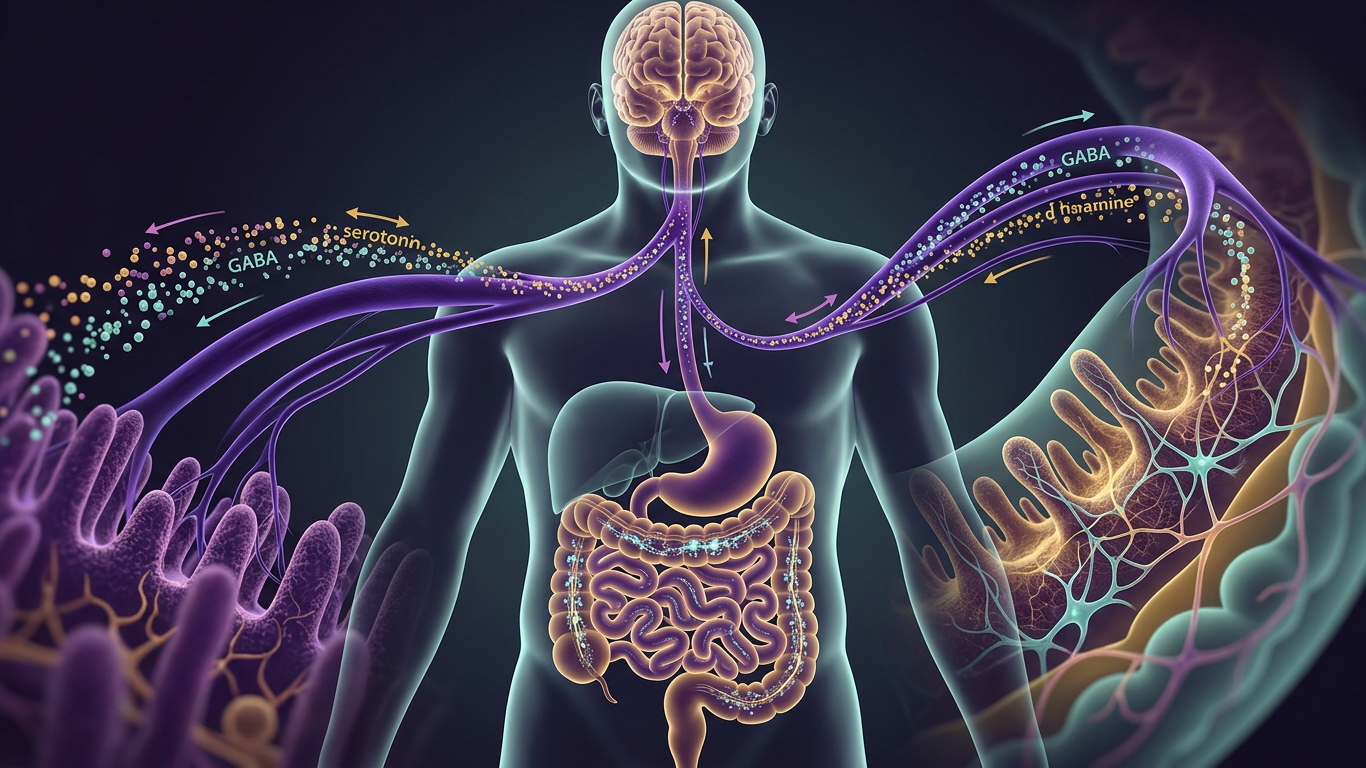
The Vagus Nerve and the Gut-Brain Axis — Your Second Brain Speaks Vagus
Thesis
Your gut talks to your brain constantly, and the vagus nerve is the primary telephone line. Approximately 80–90% of vagal fibers are afferent — carrying information FROM the gut TO the brain. This isn't metaphor about "gut feelings." It's hard neuroanatomy: gut bacteria, intestinal inflammation, and metabolic signals are transmitted in real time through the vagus nerve to brain regions that regulate mood, stress, appetite, and immune function. The gut-brain axis is, fundamentally, a vagal axis.
Key Questions
- Why is the vagus nerve 80% afferent (sensory), and what is it sensing?
- How do gut bacteria communicate with the brain through the vagus?
- What psychiatric conditions are linked to vagal gut-brain dysfunction?
- Can manipulating the gut microbiome or vagal tone treat mental illness?
Supporting Research
Breit, S. et al. (2018). Vagus Nerve as Modulator of the Brain–Gut Axis in Psychiatric and Inflammatory Disorders. Frontiers in Psychiatry, 9, 44.
DOI: 10.3389/fpsyt.2018.00044 | Full Text
The Anatomy of Gut-to-Brain Communication
The enteric nervous system (ENS) — sometimes called the "second brain" — contains 500 million neurons, more than the spinal cord. But the ENS doesn't operate in isolation. It communicates with the central nervous system through the vagus nerve, creating a bidirectional highway:
- Afferent (80–90%): Gut signals travel through vagal fibers to the nucleus tractus solitarii (NTS) in the brainstem, then project to the locus coeruleus (norepinephrine), amygdala (emotion), and thalamus (sensory relay). These pathways influence monoamines (serotonin, norepinephrine, dopamine), the HPA stress axis, and emotional state.
- Efferent (10–20%): Brain-to-gut signals via acetylcholine regulate gut motility, secretion, and inflammation through the cholinergic anti-inflammatory pathway.
The Microbiome Connection
Gut bacteria don't just digest food — they actively modulate brain function through vagal pathways:
- Lactobacillus rhamnosus JB-1: Reduces anxiety and depression-like behavior in mice, alters GABA receptor expression in the brain. These effects are completely blocked by vagotomy — cut the vagus, the probiotic stops working.
- Germ-free mice: Show HPA axis dysregulation, exaggerated stress responses, and altered neurotransmitter levels — all reversible by recolonization, confirming microbial involvement.
- Psychobiotics: Probiotics that produce neurotransmitters (GABA, serotonin, dopamine) or modulate vagal signaling, proposed as novel psychiatric treatments.
Clinical Implications: Depression, PTSD, and IBS
The review connects vagal dysfunction to specific psychiatric conditions:
- Depression: Low vagal tone correlates with HPA hyperactivity and inflammation (cytokines reduce serotonin synthesis). VNS response rates of 37–53% in treatment-resistant depression.
- PTSD: Reduced HRV/RSA impairs fear extinction. VNS enhances extinction learning via norepinephrine release.
- IBS: Bidirectional gut-brain dysfunction — visceral hypersensitivity (upregulated vagal afferents) combined with altered microbiome composition.
Therapeutic Interventions
- VNS (invasive/transcutaneous): Boosts vagal tone, reduces cytokines, increases monoamines. FDA-approved for refractory depression.
- Probiotics/Psychobiotics: Microbiota-vagus modulation of mood. L. rhamnosus and B. longum show anxiolytic effects via vagal pathways.
- Meditation/Yoga: Increases HRV and vagal tone via controlled breathing. Reduces depression, PTSD, and IBS symptoms.
Why This Matters
The vagus nerve isn't just connecting brain and gut — it's integrating them into a single regulatory system. Mental illness may not be "all in your head" or "all in your gut" — it's in the communication between them, mediated by the vagus. This reframes psychiatric treatment: rather than targeting the brain alone, we can modulate mood through the gut (probiotics, diet) or through the vagus directly (VNS, breathing).
Experimental Predictions
- Gut microbiome composition should correlate with resting vagal tone and psychiatric symptom severity
- Vagotomy should eliminate probiotic effects on mood in both animal and human studies
- Combining VNS with gut microbiome interventions should show synergistic effects on depression
- Vagal afferent sensitivity should be measurable in IBS and correlate with symptom severity
Have a question?
Have a question about something specific? Send us a message.
Visit VagusSkool.com/contact — we'll try to get back to you within 24 hours.