The Vagus Nerve and Thyroid Function: What Your Doctor Isn't Telling You
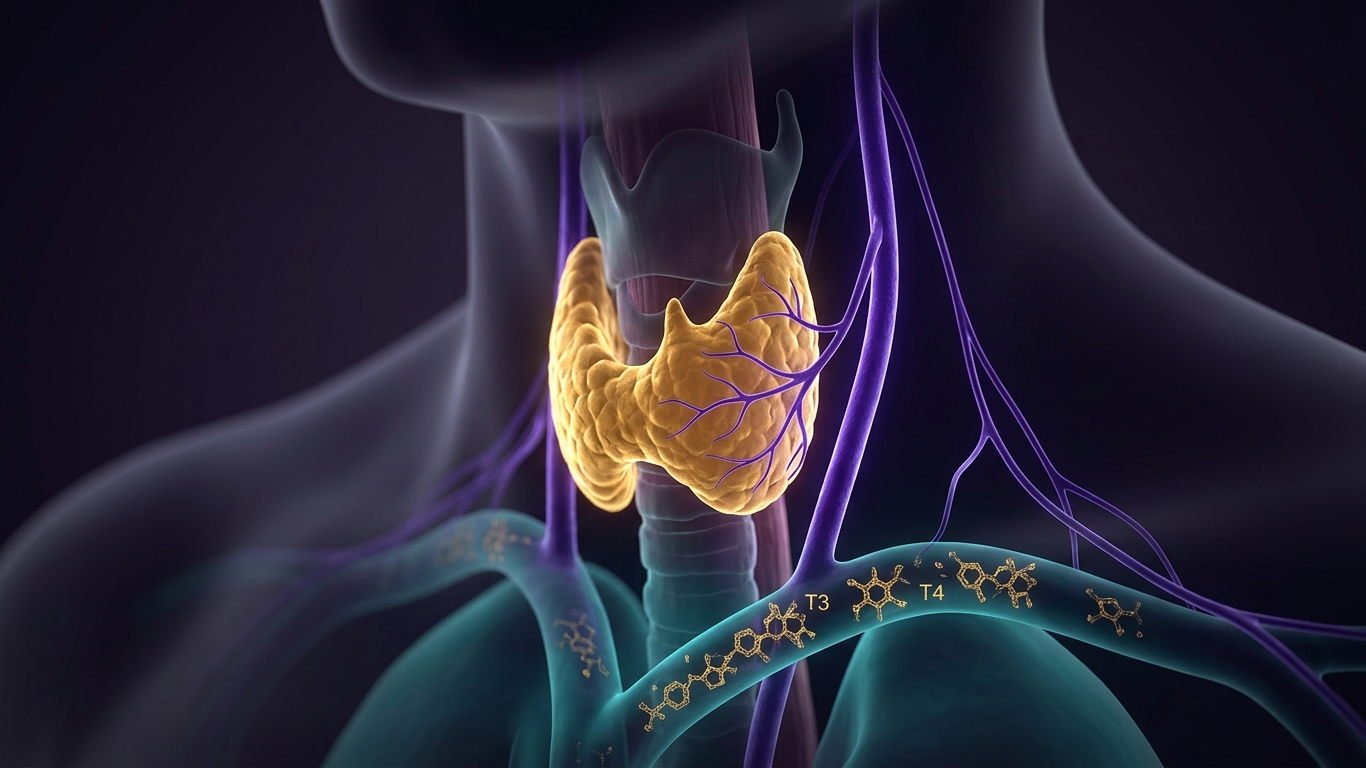
Tens of thousands of people walk out of doctors' offices each year hearing some version of: "Your thyroid labs are normal." But the symptoms — fatigue, weight gain, brain fog, cold hands — don't stop. The most common explanation isn't a missed lab value. It's a missed system: the autonomic nerve that sits inches from the thyroid and decides how it works.
The Forgotten Neural Connection
When doctors evaluate thyroid function, they typically test TSH, T3, and T4 levels. But they rarely consider the neural input that regulates thyroid activity. The vagus nerve directly innervates the thyroid gland and plays a critical role in modulating iodine uptake, hormone synthesis, and secretion.
This means thyroid dysfunction can be driven by autonomic imbalance — specifically, poor vagal tone — even when blood tests appear normal or borderline. The classic pattern of "subclinical hypothyroidism with full hypothyroid symptoms" is, in many cases, a vagal pattern hiding behind a normal TSH.
How the Vagus Nerve Affects the Thyroid
Vagal input to the thyroid gland influences:
- Blood flow: Vagal vasodilation ensures adequate blood supply for hormone synthesis. Reduced vagal input means reduced delivery of the iodine, tyrosine, and selenium the thyroid needs.
- Iodine uptake: Vagal signaling modulates sodium-iodide symporter activity — the protein that pulls iodine into the thyroid cells.
- Hormone release: Vagal pathways influence TSH sensitivity at the thyroid level. The same TSH signal can produce more or less hormone release depending on autonomic state.
- Immune regulation: The cholinergic anti-inflammatory pathway protects the thyroid from autoimmune attack (Hashimoto's). When this pathway weakens, autoimmune thyroid conditions can emerge or worsen.
- Conversion of T4 to T3: The active thyroid hormone (T3) is largely produced from T4 in peripheral tissues. This conversion is sensitive to inflammation and autonomic state — both vagally regulated.
Low Vagal Tone and Thyroid Symptoms
Chronic stress and low vagal tone can produce symptoms that mimic hypothyroidism:
- Fatigue and brain fog
- Weight gain and difficulty losing weight
- Cold intolerance, especially in hands and feet
- Hair loss and dry skin
- Depression and low motivation
- Constipation and slow digestion
- Hoarseness or scratchy throat sensations
These symptoms may resolve with vagal tone restoration, even without thyroid medication — suggesting the root cause was autonomic, not endocrine. This is one of the most under-recognized clinical patterns in modern medicine.
Thyroid symptoms with normal labs often aren't a missed diagnosis. They're a missed system — the autonomic nerve that regulates the gland from outside the bloodstream entirely.
Hashimoto's and the Vagus Connection
Hashimoto's thyroiditis — the most common cause of hypothyroidism in developed countries — is an autoimmune condition where the immune system attacks the thyroid. The vagus nerve's cholinergic anti-inflammatory pathway is the body's primary mechanism for suppressing autoimmune responses. When this pathway fails (due to low vagal tone), autoimmune conditions can develop or worsen.
Several research groups have begun investigating vagus nerve stimulation as a therapeutic intervention for autoimmune thyroid disease. Early-phase trials show that consistent vagal training can reduce thyroid antibody levels (TPO and TG) over months — something dietary and pharmaceutical interventions don't reliably achieve.
The gut-thyroid-vagus triangle
About 80% of T4-to-T3 conversion happens outside the thyroid, much of it in the gut. The gut microbiome — which talks directly to the brain via the vagus nerve — also influences thyroid function. Dysbiosis (microbiome imbalance), chronic gut inflammation, and intestinal permeability are all associated with autoimmune thyroid disease. The triangle is tightly coupled: heal the gut, you support the vagus; support the vagus, you support the thyroid.
Hyperthyroidism and Graves' Disease
The vagal connection runs both directions. Graves' disease — the autoimmune cause of hyperthyroidism — also involves vagal-immune dysregulation. Patients often present with sympathetic overdrive symptoms (anxiety, palpitations, heat intolerance) that align with profoundly suppressed vagal tone. While vagal training won't substitute for treatment of overt Graves', it appears to play a meaningful supportive role in long-term remission and symptom management.
Supporting Thyroid Health Through Vagal Practices
- Slow breathing exercises (6 breaths per minute) to enhance vagal efferent signaling — the foundation of all vagal training
- Cold exposure to stimulate vagal activation (face immersion is particularly effective due to proximity to the thyroid region)
- Anti-inflammatory diet to reduce gut-driven inflammation that suppresses vagal tone
- Stress management to prevent chronic sympathetic suppression of the vagus
- Neck and throat exercises (humming, gargling, singing) to stimulate local vagal branches near the thyroid
- Adequate sleep — both vagal repair and thyroid hormone synthesis are deeply circadian
- Selenium and zinc sufficiency — both nutrients support thyroid hormone conversion and immune balance
What to Ask Your Doctor
If you have thyroid symptoms but "normal" labs, consider asking about:
- Free T3 (not just total T3) — the active hormone, often missed on standard panels
- Reverse T3 — elevated levels suggest stress-induced conversion problems
- TPO and thyroglobulin antibodies — to identify subclinical autoimmunity
- Morning cortisol pattern — adrenal-thyroid links are real and clinically actionable
A New Framework
Rather than viewing thyroid dysfunction as purely hormonal, consider it as potentially rooted in autonomic imbalance. Strengthening the vagus nerve may address the underlying neural dysfunction that drives thyroid symptoms — a complementary approach that works alongside conventional treatment, not against it. For many people, the autonomic layer is the missing piece that finally produces lasting improvement.
Have a question?
Have a question about something specific? Send us a message.
Visit VagusSkool.com/contact — we'll try to get back to you within 24 hours.