When the Body Goes Quiet: Losing Hunger, Fullness, and the Urge to Go
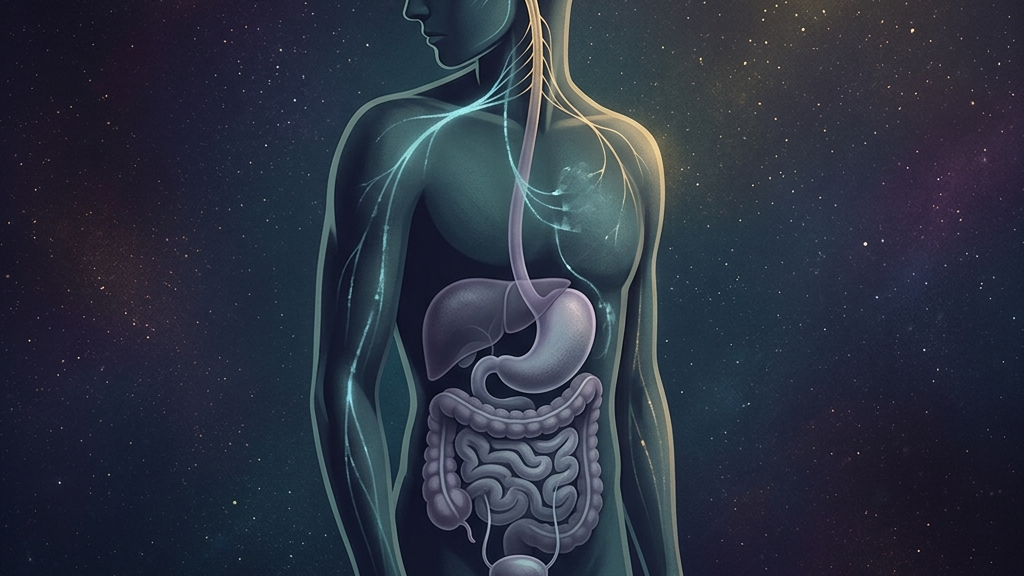
"I don't feel hungry anymore. I don't feel full. I don't feel thirsty. I don't get the urge to go to the bathroom until it's an emergency — or I miss it entirely." This is one of the hardest symptoms to even put into words, because it is the absence of a sensation you never knew you were relying on. Most of what you read about chronic illness describes a body that is too loud. This is the mirror image: a body that has gone quiet. And it is not in your head — it is a real, mechanistic failure of the sensory wiring that reports your insides to your brain.
The Signals You Only Notice When They're Gone
Hunger, fullness, thirst, and the urge to empty are all forms of interoception (the brain's perception of the body's internal state). You do not decide to feel hungry. A functioning body generates these signals automatically and delivers them upstairs, where they surface as a nudge, a pang, a pressure. When the delivery system fails, the signal is never generated in your awareness at all — so instead of pain, you get nothing. And "nothing" is a symptom almost no clinician asks about, which is why so many people struggle to be believed.
The key word is delivery. The problem here is usually not that the stomach or bladder has stopped working. It is that they have stopped reporting.
Afferent, Not Motor: The Sensory Line Goes Dark
The vagus and its partner nerves carry two kinds of fibers. Motor fibers send commands down to organs; visceral afferent fibers (sensory nerve fibers that carry information from the internal organs up toward the brain) send status reports up. Interior sensation — the feeling of a full stomach, a stretched bladder, a dry throat — rides almost entirely on those afferent fibers.
When those specific fibers are damaged, you can have organs that still physically function but no longer announce themselves. Your stomach can fill and your bladder can stretch, but the message never reaches the brainstem. This is why the experience is so strange: the machinery is intact, but the intercom is cut. Doctors have a name for this quiet form of nerve damage — autonomic neuropathy (injury to the nerves that run the body's automatic functions) — and its sensory branch is far less discussed than its motor branch.
How the Wiring Gets Injured
Several well-documented processes can knock out visceral afferent fibers:
- Post-viral injury. Some viruses, including those implicated in long COVID, appear to injure small autonomic and sensory fibers, blunting interior signaling for months.
- Diabetic autonomic neuropathy. Chronically high blood sugar is a classic cause of small-fiber damage, and the sensory vagal fibers are among the casualties. Loss of hunger and fullness signaling and a bladder that no longer signals when full are recognized features.
- Surgical or mechanical vagal damage. Operations around the esophagus, stomach, or neck can sever or stretch vagal branches, taking their sensory fibers with them.
In each case the common thread is the same: the afferent line, not the muscle, is the casualty.
Why This Isn't the Same as Gastroparesis
It is worth drawing a hard line here. Gastroparesis is a motility problem — the stomach muscle empties too slowly. What we are describing is a sensory problem — the stomach may empty fine, but you cannot feel it fill or empty. The two can coexist, but they are mechanistically different, and confusing them sends people down the wrong path. If your issue is that you cannot feel satiety signaling (the nerve messages that tell the brain you have eaten enough) or gastric accommodation (the stomach's normal relaxation to make room for food, which is itself sensed and reported by afferent fibers), the target is the sensory line, not just the pump.
The Part No One Tells You: Afferent Fibers Can Recover
Here is the piece worth holding onto. Small sensory fibers are capable of partial regeneration when the driving injury is removed or controlled — blood sugar brought down, a virus cleared, inflammation settled. Recovery is slow and rarely total, but the interior can come back online. Because these signals are also learnable, deliberately practicing interoception — eating on a schedule, checking in with your body at set times, relearning what a full bladder feels like — can help the brain re-tune to a faint signal it had stopped listening for.
References & Further Reading
- Craig AD. How do you feel? Interoception: the sense of the physiological condition of the body. Nature Reviews Neuroscience, 2002. PubMed
- Ziegler D et al. Diabetic autonomic neuropathy. StatPearls / NCBI Bookshelf. NCBI Bookshelf
- Berthoud HR, Neuhuber WL. Functional and chemical anatomy of the afferent vagal system. Autonomic Neuroscience, 2000. PubMed
- Autonomic Neuropathy — overview. Reference overview
Have a question?
Have a question about something specific? Send us a message.
Visit VagusSkool.com/contact — we'll try to get back to you within 24 hours.