The Vagus Nerve as a Bridge Between Sleep Quality, Stress Resilience, and Digestive Ease
Understanding the Anatomy and Function of the Vagus Nerve
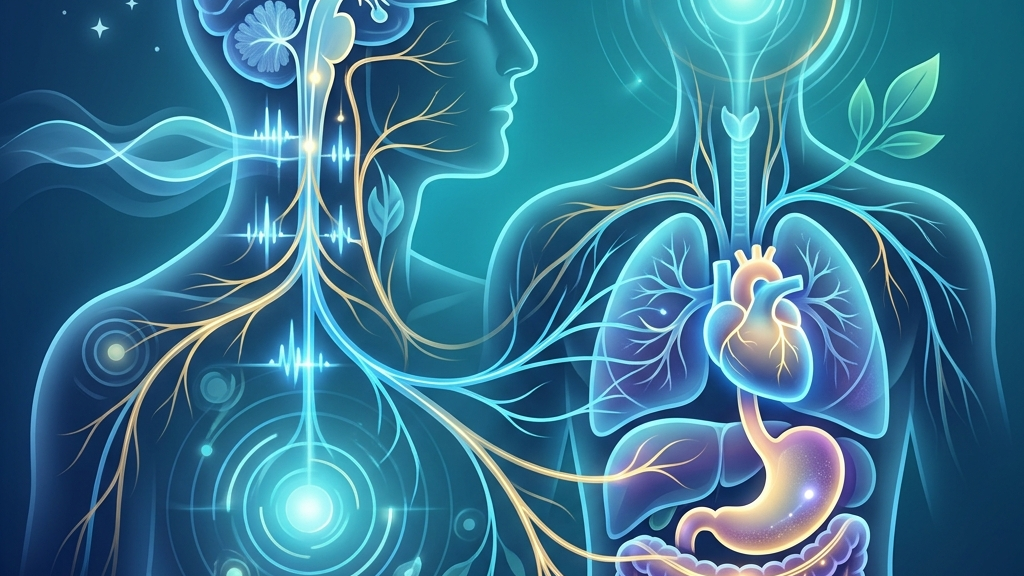
The vagus nerve emerges from the medulla oblongata as paired cranial nerves that travel alongside the carotid arteries before branching extensively into the thorax and abdomen. Its long course allows it to reach the larynx, heart, lungs, esophagus, stomach, small intestine, and proximal colon, giving it direct influence over organs that operate largely outside conscious control. Because roughly eighty percent of its fibers are afferent, the nerve transmits detailed sensory information from these organs upward, enabling the brain to monitor and modulate visceral states in real time. As the principal parasympathetic outflow, the vagus nerve releases acetylcholine at its terminals, which slows heart rate, promotes glandular secretions, and enhances motility in the digestive tract. This cholinergic tone opposes sympathetic activation and supports the return to baseline after periods of heightened demand. Heart-rate variability, particularly the high-frequency component linked to respiratory sinus arrhythmia, serves as a practical window into the strength of this vagal influence, reflecting how flexibly the heart can adjust to changing respiratory and emotional demands. Consider an everyday scenario such as finishing a large evening meal: vagal efferents trigger increased gastric acid and enzyme release while afferents report stomach distension, prompting the brain to adjust motility rates so digestion proceeds without overwhelming the system. The same mechanism operates during quiet reading after work, when reduced sympathetic input allows acetylcholine-mediated slowing of cardiac output and a subtle warming sensation across the abdomen as blood flow redistributes toward intestinal tissues. The same nerve participates in the gut-brain axis by carrying signals from enteroendocrine cells and the enteric nervous system to brainstem nuclei such as the nucleus tractus solitarius. From there, information is relayed to higher centers involved in arousal, mood, and autonomic regulation. This architecture allows digestive events to shape brain states and, conversely, permits cortical and limbic activity to alter gut function, creating a loop that can either reinforce calm or amplify tension depending on prevailing conditions. For instance, noticing the texture and temperature of food during mindful chewing increases afferent traffic that can dampen racing thoughts, whereas rapid eating under time pressure reduces that feedback and leaves the system more prone to later discomfort.Sleep and Vagal Tone: Mechanisms of Restorative Rest
During the transition into non-rapid-eye-movement sleep, vagal outflow typically increases, producing the characteristic slowing of heart rate and respiratory rhythm that accompanies deeper rest. This shift reduces sympathetic drive and allows metabolic resources to be redirected toward cellular repair and memory consolidation. When vagal tone remains adequate, the body can sustain longer periods of slow-wave sleep, which many people experience as feeling more refreshed upon waking and less prone to nighttime awakenings. Respiratory patterns during sleep further illustrate vagal involvement. The nerve mediates heart-rate changes that synchronize with each breath, a phenomenon known as respiratory sinus arrhythmia. Stronger coupling between respiration and heart rhythm tends to coincide with fewer micro-arousals and more stable oxygen saturation, contributing to the subjective sense of uninterrupted sleep. Research on sleep-disordered breathing has examined how alterations in vagal signaling may relate to the frequency of apneic events and overall sleep architecture. People commonly notice that evenings marked by prolonged mental or physical activation are followed by lighter sleep and greater morning fatigue. Conversely, days that include practices supporting vagal activity often precede nights in which the body settles more readily and remains settled. These observations align with the nerve’s role in dampening arousal systems, allowing the brain to disengage from ongoing environmental monitoring and enter the restorative phases of sleep more efficiently. A concrete illustration is the difference between ending the day with a tense phone call versus a short walk: the former keeps sympathetic tone elevated, shortening the duration of slow-wave stages, while the latter permits vagal reactivation that lengthens those stages and reduces the likelihood of early-morning awakenings triggered by residual adrenaline.Recovering from Stress: The Vagus Nerve’s Role in Returning to Baseline
Stress activates sympathetic pathways that accelerate heart rate, redirect blood flow, and suppress digestive functions to prepare for immediate action. Once the challenge subsides, vagal reactivation becomes essential for withdrawing that mobilization and restoring parasympathetic dominance. This “vagal brake” enables heart rate to decelerate smoothly and supports the re-engagement of social and digestive behaviors that are incompatible with sustained threat physiology. Heart-rate variability metrics provide a window into this recovery process. Higher baseline variability, particularly in the respiratory-frequency band, correlates with faster return of calm after laboratory stressors and with self-reported emotional flexibility in daily life. The vagus nerve achieves this regulation through dense projections to the sinoatrial node and through central connections that modulate both cardiac and respiratory centers in the brainstem. Many individuals observe that periods of elevated stress coincide with sensations of a racing heart that lingers long after the event, shallow breathing, and difficulty settling into relaxed activities. When vagal pathways function effectively, these same sensations tend to subside more quickly, replaced by a gradual sense of warmth in the chest or abdomen and easier access to steady attention. The difference reflects the nerve’s capacity to re-establish inhibitory control over sympathetic outflow and to update visceral set-points in response to safety cues. An example is the contrast between sitting in traffic after an argument and later noticing the heart rate drop while preparing a simple meal: the latter activity recruits vagal afferents from the gut that help recalibrate the cardiovascular set-point downward without deliberate effort.Digestion and the Gut-Brain Connection via the Vagus Nerve
Vagal efferents stimulate gastric acid secretion, pancreatic enzyme release, and peristaltic contractions that move contents through the stomach and small intestine. At the same time, vagal afferents convey mechanical stretch, nutrient composition, and inflammatory signals from the gut wall back to the brainstem, allowing rapid adjustments in motility and secretion. This feedback loop helps match digestive effort to the quantity and type of food ingested while also influencing satiety signaling. Because the vagus nerve supplies a large portion of the parasympathetic innervation to the gastrointestinal tract, its tone supports the “rest-and-digest” state required for optimal enzyme activity and mucosal blood flow. When vagal activity is reduced, gastric emptying may slow and intestinal motility can become irregular, patterns some people describe as post-meal heaviness or unpredictable bowel habits. Conversely, adequate vagal tone is associated with more consistent transit and reduced perception of bloating after ordinary meals. The same afferent pathways participate in interoceptive awareness—the sense of the body’s internal condition. Signals traveling via the vagus contribute to the diffuse feelings of abdominal comfort or unease that accompany emotional states, illustrating how digestive sensations and mood can influence each other through shared neural routes. This integration helps explain why states of prolonged stress or poor sleep often coincide with changes in appetite and digestive comfort even when no structural gastrointestinal condition is present. A practical illustration occurs when someone eats lunch while reviewing stressful emails: reduced vagal tone limits enzyme output and leaves a lingering sense of fullness, whereas the same meal consumed during a brief pause outdoors tends to produce clearer satiety signals and smoother afternoon digestion.What the Research Shows
Studies examining cranial nerve anatomy confirm that the vagus nerve provides the majority of parasympathetic innervation to thoracic and abdominal viscera, establishing its central position in autonomic regulation. Neuroanatomy descriptions of cranial nerve 10 detail the nerve’s extensive branching and its mixed sensory-motor composition. Complementary clinical summaries from Cleveland Clinic resources on vagus nerve location and conditions emphasize its role in heart-rate modulation and gastrointestinal motility. Investigations into heart-rate variability have linked higher vagal tone to improved cardiac adaptability and faster physiological recovery after challenge. Research on heart-rate variability and cardiac vagal tone outlines how respiratory-linked fluctuations in heart period reflect vagal modulation and its association with emotional regulation. Parallel work on the gut-brain axis demonstrates that vagal sensory neurons transmit nutrient and microbial signals that influence brainstem and hypothalamic activity. Reviews of the vagus nerve as modulator of the brain–gut axis and studies of vagal sensory neurons and gut–brain signaling describe these pathways in detail. Additional evidence connects vagal function to sleep parameters. Analyses of vagus nerve stimulation, sleep-disordered breathing, and sleep quality explore how changes in vagal activity may relate to respiratory stability during sleep and overall sleep continuity, providing a physiological bridge between autonomic tone and restorative rest.Practical Ways to Support Your Vagus Nerve
- Slow, extended exhales practiced for a few minutes while seated can lengthen the phase of the respiratory cycle that naturally augments vagal outflow to the heart.
- Humming or gentle gargling engages laryngeal muscles innervated by the vagus and produces vibrations that travel along its branches, often producing a noticeable settling sensation in the throat and chest.
- Brief, gentle cold exposure such as splashing cool water on the face or ending a shower with cooler water may stimulate vagal afferents and support a modest shift toward parasympathetic dominance.
- Paced breathing at roughly six breaths per minute aligns with the frequency at which heart-rate variability is most strongly influenced by vagal activity, allowing practitioners to observe changes in breath and pulse together.
- Light movement such as walking or restorative yoga maintains steady afferent traffic from muscles and joints without excessive sympathetic activation, helping sustain a baseline of vagal tone across the day.
- Consistent morning light exposure combined with a regular sleep schedule supports circadian alignment, which in turn influences autonomic balance and the nightly rise in vagal activity required for consolidated rest.
When to Talk to a Professional
Persistent difficulty falling or staying asleep, especially when accompanied by loud snoring or witnessed breathing pauses, warrants evaluation by a clinician experienced in sleep medicine. Sudden or progressive changes in heart rhythm, chest discomfort, or unexplained dizziness also merit prompt medical assessment to rule out cardiac or neurological contributions. Digestive symptoms that include unintended weight loss, blood in the stool, severe abdominal pain, or persistent vomiting require investigation beyond self-care approaches. Likewise, mood changes that interfere with daily functioning or are accompanied by thoughts of self-harm should be discussed with a qualified mental-health professional. These signs indicate the need for individualized assessment rather than reliance on general information about autonomic pathways.Common Questions
How quickly can vagal tone change with simple practices?
Acute shifts in heart-rate variability can appear within minutes of beginning slow breathing or vocalization exercises, yet sustained improvements in baseline tone generally develop over weeks of consistent use as the nervous system adapts to repeated signals of safety and recovery.
Does vagus-nerve function differ between individuals?
Yes, factors such as age, fitness level, prior stress exposure, and certain medications can influence the strength of vagal reflexes and the degree of heart-rate variability observed at rest, which is why personal experimentation and professional guidance are often helpful.
Can digestive discomfort be linked to vagal signaling?
Altered vagal tone may contribute to changes in motility and sensation, but many other factors including diet, microbiome composition, and structural conditions also play roles, making comprehensive evaluation important when symptoms persist.
Is there a single best practice for supporting the vagus nerve?
No single activity suits everyone; many people find that combining two or three low-effort approaches—such as paced breathing in the morning and consistent sleep timing—yields more noticeable effects than relying on one method alone.
The interplay among sleep, stress recovery, and digestion through vagal pathways underscores how modest, repeated adjustments in daily rhythms can influence multiple systems at once. By attending to the body’s signals of settling or activation, individuals can gather information about which practices align with their own patterns of restoration and comfort. Over time, these observations contribute to a more nuanced understanding of how the nervous system supports overall equilibrium.Have a question?
Have a question about something specific? Send us a message.
Visit VagusSkool.com/contact — we'll try to get back to you within 24 hours.